

Incredibox Sound Icons Guide: Beats, Effects, Melodies and Voices Explained
Learn how Incredibox sound icons work, what the beats, effects, melodies and voices categories do, and how to combine icons into balanced, musical mixes.
Blog
Learn beatbox basics with Incredibox: what beatboxing is, the core sounds behind the voices, keeping time, and simple exercises that build rhythm skills.
Beatboxing is the art of making a drum kit, a bassline, and half a band with nothing but a mouth. Incredibox is built on recordings of exactly that art - and playing it turns out to be a gentle way to learn how beatboxing actually works.
This guide introduces the real craft behind the cartoon: the core sounds every beatboxer learns, how rhythm is counted, and simple listening exercises inside the app that build genuine musical timing.
No experience is assumed and no microphone is required. Your ears are the instrument being trained here; your mouth can join in whenever curiosity wins.
Players who understand the basics hear the app differently - every voice icon becomes a technique with a name and a history.
Beatboxing is vocal percussion: a performer imitates drums and other instruments using lips, tongue, breath, and voice, often while humming or singing at the same time. You can find the current download on the Incredibox official site page.
It grew up inside hip-hop culture as the portable rhythm section - the beat that needed no equipment - and matured into a competitive art with world championships and staggering technical range.
Incredibox samples that art form. The animated performers are playful, but the sounds they make are rooted in real beatbox technique.
Almost every beatbox pattern rests on three foundational sounds that mimic a drum kit's kick, snare, and hi-hat. Beginners worldwide learn them in the same order.
The kick is a short, punchy burst of air through the lips. The snare is a sharp, breathy burst that imitates the drum's snap. The hi-hat is a crisp tongue-and-teeth hiss, short for closed and sustained for open.
In text form beatboxers write them as B, Pf or K, and T - the famous 'boots and cats' phrase is a kick-hat-snare-hat pattern in disguise.
Beatbox patterns live on a grid of counts. Most popular music - and most Incredibox loops - runs in bars of four beats, with sounds placed on beats and on the subdivisions between them.
Counting '1, 2, 3, 4' steadily while listening to a voice icon reveals where its sounds land: the kick anchoring the downbeats, the snare answering, the hats filling the spaces.
Once you can count a loop, you can predict it, and prediction is the doorway to performing rhythm rather than chasing it.
Choose one voice icon and listen to it alone, several loops in a row. Identify the kick-like pulses first, then the sharper cracks, then the hiss layer. You are dissecting a performance the way a producer would.
Mute everything else in the mix while you learn. The app makes this easy, and the isolation is what turns background enjoyment into study.
Repeat the exercise in a different version. Each version's voices dress the same foundational techniques in a new genre's clothes.
Find a private moment and attempt the classic beginner pattern: kick, hat, snare, hat - 'boots and cats' spoken rhythmically without singing the words, just their percussive skeleton.
Speed is the enemy of learning. Go absurdly slowly, keep the four sounds even, and let clarity arrive before tempo. Every beatboxer you admire started with exactly this exercise sounding exactly this silly.
Short daily attempts beat occasional long ones. Two minutes while the kettle boils builds mouth muscle memory surprisingly fast.
Say 'boots and cats' slowly and evenly.
Whisper it, keeping the rhythm identical.
Remove the vowels: keep only the percussive edges.
Loop it four times without speeding up.
Add a head nod on beats 1 and 3 to feel the grid.
Beatboxers breathe inside their patterns, snatching air in the gaps or using inward sounds that fill the lungs while still producing noise. Breath planning is what separates a ten-second trick from a two-minute routine.
In the app, notice how voice loops never sound breathless - the recordings were performed by people who had solved breathing so completely you forget it exists.
If you practise aloud, dizziness is the signal to slow down. Rhythm built on steady breath outlasts rhythm built on lung panic.
Tempo is speed; groove is how sounds lean against the grid - precisely on it for a robotic feel, slightly behind it for a relaxed one. Incredibox versions carry different grooves baked into their loops, which is a large part of why each version feels distinct.
Compare the same exercise - one beat, one voice - across two versions and listen only to the feel. Naming the difference ('this one leans back') is real musical education happening painlessly.
Groove awareness improves everything you later do in the app, because icon choices become choices about feel, not just sound.
A player who hears kick, snare, and hat inside the voices starts arranging differently: voices stop being decoration and become rhythm decisions. Sparse mixes suddenly make sense, because each layer's job is audible.
Try rebuilding a favourite mix after a week of listening exercises. Most players find they remove two icons and the mix improves - the classic signature of growing ears.
This is the quiet promise of learning basics through a game: the skill and the fun keep trading places.
Children take to beatbox sounds instantly because the learning is physical, funny, and gloriously noisy. The core sounds are safe, equipment-free, and endlessly repeatable.
Adults guiding kids should protect the playfulness: patterns as games, counting as clapping, and no pressure to perform. Our Incredibox for kids guide covers the wider safety and learning picture for families.
A child who can hold 'boots and cats' evenly owns a rhythm foundation that transfers to any instrument they meet later.
Beyond the app lies a welcoming world: tutorials from champion beatboxers, community battles to watch, and local scenes in most big cities. Watching a live loop-station performance after learning the basics feels like a magic trick whose secret you half-know.
Incredibox will not make anyone a champion. What it does - unusually well - is make the first step feel like play instead of practice.
Keep one foot in each world: the app for arranging joy, the real sounds for the satisfaction of making rhythm from nothing.
Quick answers for the curious beginner.
Not at all. The performers in the app do the beatboxing; you arrange. Learning the basics simply deepens listening and improves the mixes you build.
The kick, snare, and hi-hat imitations, practised slowly in the 'boots and cats' pattern. They underpin nearly every beatbox rhythm.
Gentle practice at low volume is generally fine for most people. Stop if your throat hurts, keep volume modest, and treat it like any new physical skill - gradual and relaxed.
Yes, as listening and rhythm play. The app introduces patterns and counting naturally, and adults can add the mouth sounds as a game alongside it.
After learning the core sounds, watch a skilled beatboxer perform - live if possible, recorded if not - and spend the first minute only identifying kicks, snares, and hats inside the storm.
The identification game never gets old, because advanced technique is the basics, layered and accelerated. You are watching your own three sounds wearing formal dress.
Children adore this viewing mode: every recognised sound is a small victory, and the performer becomes a puzzle they are winning.
Everyone's first patterns speed up involuntarily; the fix is a slower start than pride prefers and a steady count said aloud. Everyone's snare sounds weak for a week; the fix is breath pressure, not force.
Sore lips and a tired jaw are normal early guests and unwelcome long-term residents - short sessions end both.
The plateau at week two, where nothing sounds better than week one, is where most beginners quit and where the persistent ones quietly become beatboxers.
The counting and layer-listening learned here transfers everywhere: following a drummer in a band, keeping time on any instrument, even dancing with better aim.
Teachers have used exactly this transfer for decades - rhythm internalised through the voice becomes rhythm available to the hands.
Incredibox did not invent that pathway, but it may be the most enjoyable on-ramp to it ever shipped in an app.
Beatbox basics are three sounds, a steady count, and the patience to go slowly - yet they unlock both a real-world skill and a deeper way of hearing every voice icon in the game.
Practise in kettles' time, listen in loops, and let the app's playful performers be your first teachers. Rhythm learned this happily tends to stay learned.
Learn how Incredibox sound icons work, what the beats, effects, melodies and voices categories do, and how to combine icons into balanced, musical mixes.

Learn how recording works in Incredibox, how to prepare a mix for capture, save and replay recordings, manage storage, and fix common recording problems.
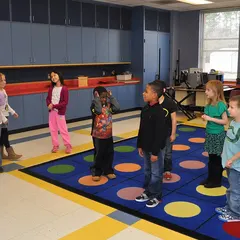
Use Incredibox in the classroom with lesson ideas for rhythm, structure and creativity, device and safeguarding guidance, and assessment-friendly activities.